Your cart is currently empty!
6 Life Skills Every Child Needs (And How to Teach Them Early)
6 Life Skills Every Child Needs (And How to Teach Them Early)
Every parent wants their child to succeed.
But success isn’t just about grades or test scores.
It’s about how a child handles challenges, relationships, emotions, and decisions.
The truth is, the most important lessons in life aren’t always taught in a classroom.
They are learned through experience, guidance, and understanding.
Why life skills matter early
Children begin forming habits, thought patterns, and behaviors at a young age.
Without the right guidance, they may struggle with:
- Managing emotions
- Making decisions
- Handling conflict
- Understanding others
Teaching life skills early helps children build a strong foundation for everything that comes later.
1. Self-Control (Self-Mastery)
Self-control is the ability to pause before reacting.
For children, this can look like:
- Managing frustration
- Waiting their turn
- Thinking before acting
Characters like Max from The Cats and The Coons show how difficult this can be—and how important it is to learn over time.
2. Honesty and Responsibility (Integrity)
Integrity is about doing what’s right, even when it’s not easy.
Children learn this when they:
- Take responsibility for actions
- Tell the truth
- Follow through on commitments
These lessons build trust and confidence.
3. Confidence and Courage (Moxie)
Moxie is the ability to try, even when something feels difficult or uncertain.
Children build this by:
- Trying new things
- Facing challenges
- Learning from mistakes
Confidence grows through action—not perfection.
4. Patience
Patience teaches children that not everything happens instantly.
This includes:
- Waiting
- Practicing
- Understanding that growth takes time
This is one of the hardest skills to learn—but one of the most valuable.
5. Love and Connection
Children need to understand the importance of:
- Caring for others
- Building relationships
- Expressing kindness
These experiences shape how they interact with the world.
6. Understanding Others (Empathy)
Empathy helps children see beyond themselves.
It allows them to:
- Recognize others’ feelings
- Respond with care
- Build stronger relationships
This skill is essential for emotional and social development.
How to teach these skills in a natural way
Teaching life skills doesn’t have to feel forced.
Some of the most effective ways include:
- Storytelling
- Real-life conversations
- Observing behavior
- Asking reflective questions
Instead of telling children what to do, help them understand why it matters.
The S.I.M.P.L.E. Framework in action
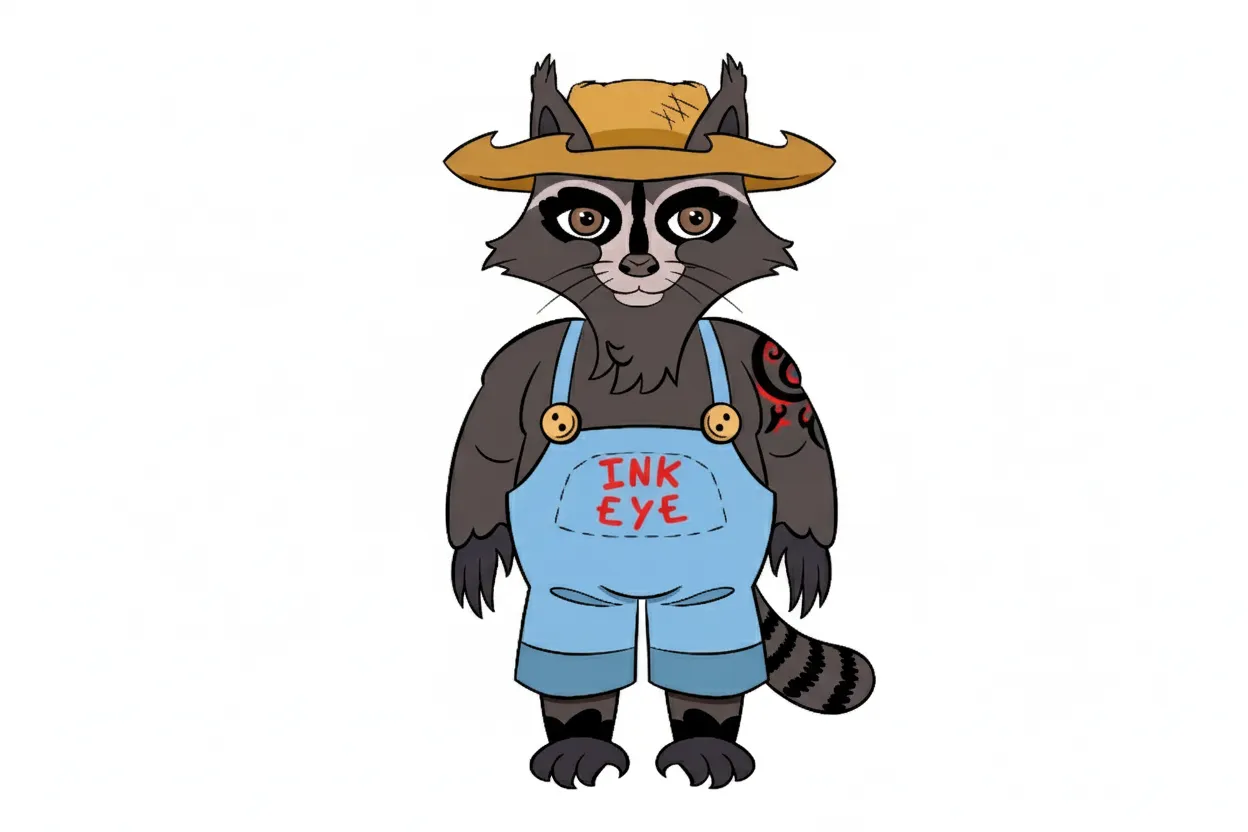
The Ink Eye S.I.M.P.L.E. Framework brings all of these life skills together into one system.
It helps children:
- Understand emotions
- Build awareness
- Grow through experience
Through characters and storytelling in The Cats and The Coons, these lessons become real and relatable.
Helping children understand their WHY
The deeper goal is not just behavior—it’s understanding.
When children begin to understand:
- Why they feel certain emotions
- Why actions have consequences
- Why growth takes time
They begin to move with more clarity.
Because:
When purpose is clear, confusion loses power.
Final thought
Life skills are not something children master overnight.
They are built step by step, through guidance, patience, and experience.
The earlier children begin learning these lessons, the stronger their foundation becomes.
Want to explore more?
Discover how characters like Max help bring these life skills to life through The Cats and The Coons.
Explore the Ink Eye S.I.M.P.L.E. Framework and see how these values can support your child’s growth.
Leave a Reply